
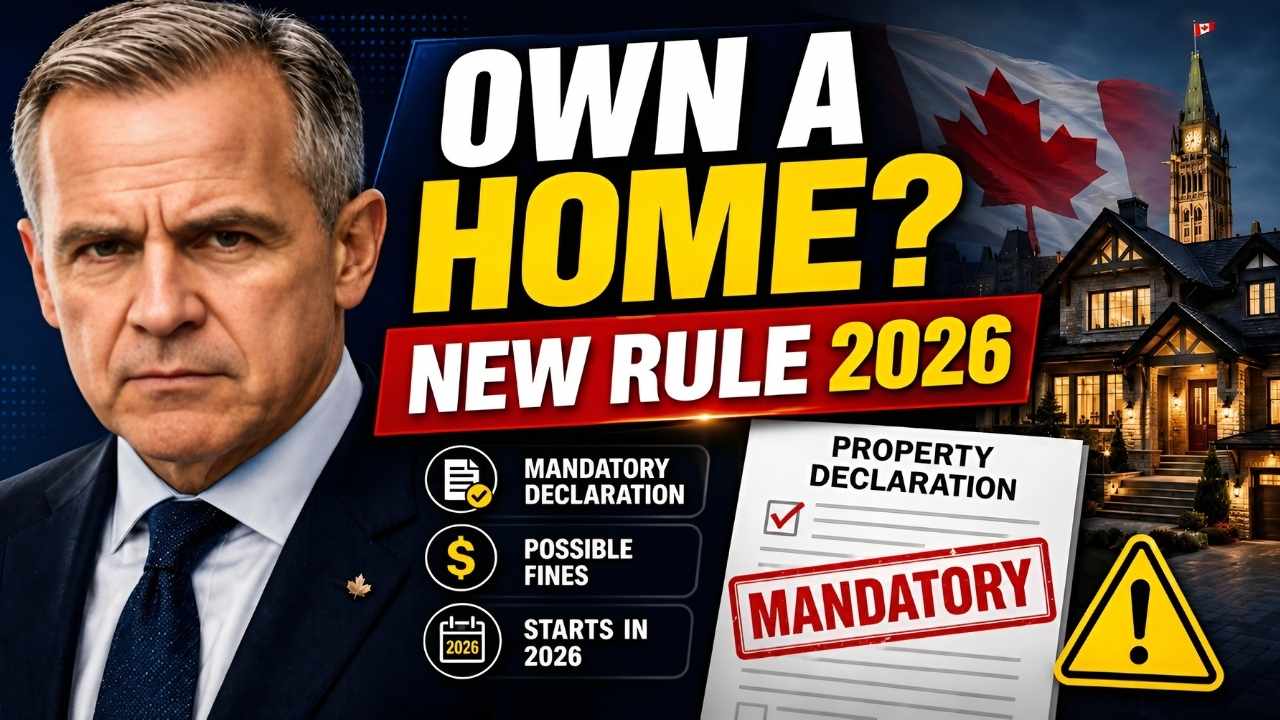
Canada’s housing rules are changing fast in 2026, and homeowners across the country are being urged to pay attention. A growing number of cities and provinces are expanding occupancy declaration systems and vacancy tax policies that may require property owners to officially report how their homes are being used.
For many Canadians, this new requirement could arrive unexpectedly through a city notice, property tax mail, or online declaration request. Missing it may lead to financial penalties, vacancy taxes, or compliance issues that homeowners never anticipated.
The push behind these new measures is simple. Governments want to identify empty homes, improve housing availability, and discourage residential properties from sitting unused during an ongoing housing affordability crisis.
As enforcement expands in 2026, millions of homeowners may need to verify whether they are required to submit a property occupancy declaration.
Why Canada Is Tightening Housing Compliance Rules
Canada continues to face pressure from rising home prices, limited rental supply, and growing demand in major urban regions. Cities across the country are trying to increase available housing inventory without building entirely new neighborhoods overnight.
One strategy governments are increasingly relying on is targeting vacant and underused homes.
Officials believe some residential properties remain empty for long periods while families struggle to find affordable housing. To address this imbalance, local governments are introducing systems that require property owners to confirm whether homes are occupied, rented, or vacant.
These declaration systems are no longer limited to foreign investors alone. In many regions, local homeowners are also included under the rules.
The 2026 Changes Could Affect More Homeowners Than Expected
One reason this issue is gaining attention is because many people incorrectly assume the rules only apply to investors with multiple properties.
In reality, homeowners who may be impacted include:
• Individuals with second homes
• Condo owners
• Vacation property owners
• Families with inherited homes
• Canadians temporarily living abroad
• Owners of vacant houses during renovations
• Joint property owners
• Landlords with rental units
Some municipalities now require annual declarations from nearly all residential property owners, regardless of whether the home is occupied full time.
That means even a family living year round in their primary residence may still need to complete a filing process.
What Happens If You Ignore the Declaration Notice
The biggest risk for homeowners is failing to respond on time.

In several Canadian cities, if no declaration is submitted by the deadline, authorities may automatically classify the property as vacant. Once that happens, homeowners could face substantial vacancy taxes based on the assessed value of the property.
Depending on local regulations, vacancy taxes can become extremely expensive, especially in high value housing markets.
For example, a property valued at CAD 1 million could potentially face thousands of dollars in additional taxes annually if classified as vacant under municipal rules.
Late fees, interest charges, and compliance reviews may also apply.
Cities Already Enforcing Vacancy and Occupancy Rules
Several major Canadian cities have already implemented aggressive vacancy monitoring systems.
Toronto continues operating its Vacant Home Tax program, requiring annual declarations from property owners. Vancouver maintains its Empty Homes Tax system, while other municipalities have started adopting similar policies.
British Columbia also continues applying the Speculation and Vacancy Tax in designated regions, requiring declarations from affected homeowners.
Housing analysts expect more municipalities to introduce similar systems as governments continue searching for ways to improve housing availability.
Why Ordinary Families Could Accidentally Violate the Rules
One of the biggest problems with occupancy declaration systems is that many homeowners simply do not realize they are required to file anything.
This creates risks for:
• Elderly homeowners unfamiliar with online systems
• Families managing inherited properties
• Owners traveling outside Canada for extended periods
• Couples with shared ownership structures
• Canadians relocating temporarily for work
In some cases, multiple co owners may each need to complete separate declaration steps. Missing even one requirement could create issues later.
This is why tax experts are advising homeowners to carefully review all municipal notices and property related communications during 2026.
The Federal Underused Housing Tax Still Matters
Alongside municipal vacancy taxes, Canada’s federal Underused Housing Tax remains another important compliance area.

Although the tax mainly targets non residents and certain foreign ownership structures, filing requirements can still affect some Canadian citizens under specific legal arrangements involving trusts, partnerships, or corporations.
Many property owners mistakenly believe they are automatically exempt and ignore filing obligations entirely.
Even when no tax payment is due, failing to submit required forms can still trigger serious penalties under federal rules.
Documents Homeowners Should Keep Ready
As occupancy declaration systems become more common, maintaining proper records is becoming increasingly important.
Homeowners should keep copies of:
• Utility bills
• Property tax statements
• Government identification with residential address
• Rental agreements
• Mortgage records
• Insurance documents
• Purchase paperwork
• Travel records if temporarily outside Canada
These documents may help prove occupancy status if authorities request verification.
How Homeowners Can Protect Themselves in 2026
The safest approach is staying informed and acting early.
Property owners should regularly monitor official city and provincial announcements, especially during tax season. Deadlines can vary depending on the municipality, and missing notices could become costly.
Homeowners should also:
• Read every property related letter carefully
• Verify filing deadlines annually
• Confirm whether all co owners must file separately
• Save digital records of completed declarations
• Contact local tax departments if uncertain about requirements
• Speak with professionals if ownership structures are complex
Taking a few minutes to verify compliance could prevent thousands of dollars in unnecessary penalties later.
Why Housing Declaration Rules Are Expanding Across Canada
Governments across Canada continue facing pressure to solve affordability issues while making better use of existing housing supply.
Vacancy taxes and occupancy declarations are being viewed as tools that encourage homes to remain occupied instead of sitting empty.

Officials believe stronger enforcement in 2026 could help free up additional housing inventory in competitive real estate markets.
Because of this, experts expect more Canadian municipalities to adopt stricter property reporting requirements in the future.
For homeowners, the message is becoming increasingly clear: owning property may now come with annual reporting responsibilities beyond traditional property taxes.
FAQ
Do all Canadian homeowners need to file a declaration in 2026?
Not necessarily. Rules vary depending on the city, province, and property type. However, many municipalities now require declarations from most residential property owners.
What is a vacancy tax?
A vacancy tax is an additional tax charged on homes considered empty or underused for a certain period during the year.
Can primary residences still require declarations?
Yes. In some cities, even homeowners living full time in their primary residence must still submit annual occupancy declarations.
What if I own a vacation property?
Vacation homes and secondary residences may fall under vacancy or speculation tax rules depending on the region.
Are penalties serious for missing deadlines?
Yes. Some municipalities automatically classify undeclared homes as vacant, which can lead to expensive tax bills and penalties.
Where can homeowners find official information?
Official updates and housing tax guidance are available through the Government of Canada website and local municipal tax departments.