
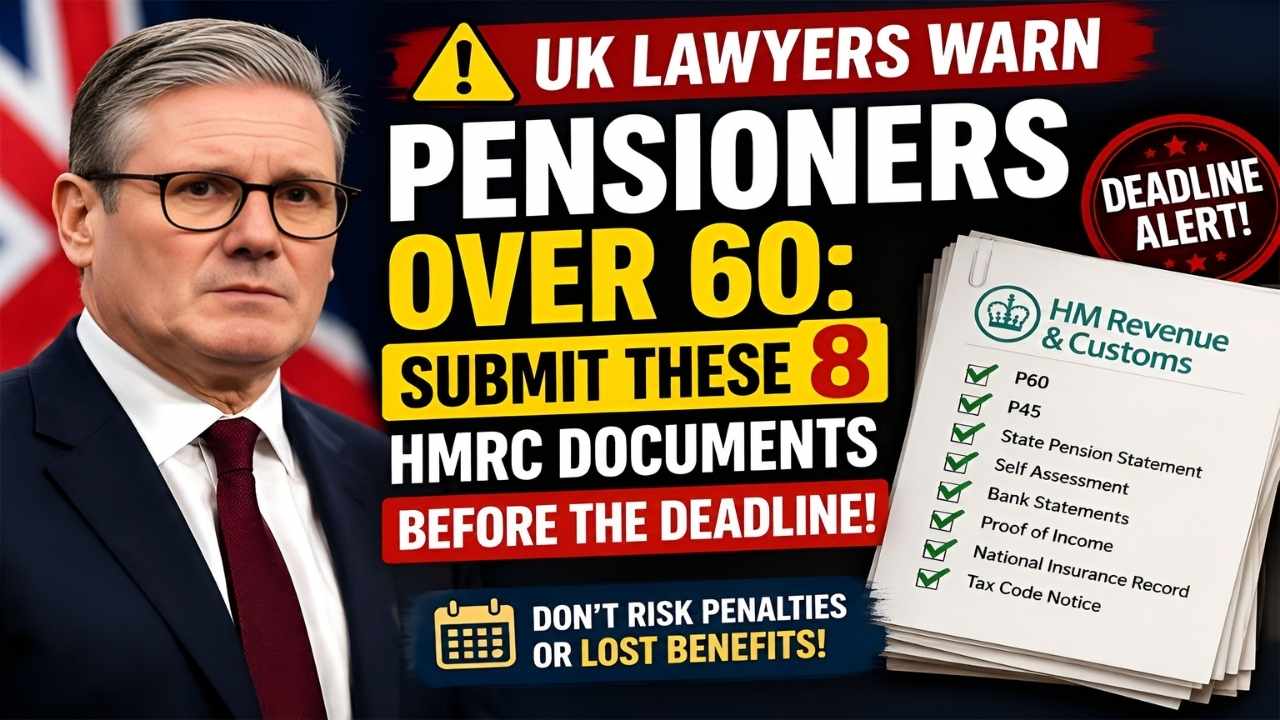
A growing number of pensioners across the United Kingdom are being advised to check their HMRC records carefully as tax officials increase reviews linked to pension income, savings, and retirement payments. Legal experts say retirees aged over 60 should keep essential tax documents ready because missing information or delayed responses could lead to penalties, payment issues, or unexpected tax demands.
In recent months, many older adults have reported receiving letters related to pension adjustments, tax calculations, and income verification. Financial advisers believe this trend will continue throughout 2026 as HM Revenue and Customs tightens checks on pension related income.
For pensioners who receive money from more than one source, staying organised has become more important than ever.
Why HMRC Is Reviewing More Pension Accounts
The number of pensioners paying income tax has increased significantly in recent years. Rising pension payouts combined with frozen tax thresholds mean more retirees are now crossing taxable income limits.
Many people assume pension taxes are automatically managed through PAYE systems. While this is true in some situations, HMRC may still request additional documents if records do not match or if extra income has not been properly declared.
Retirees receiving money from workplace pensions, rental income, savings interest, or investments are more likely to receive notices asking for updated information.
Experts say some pensioners only realise they owe tax after receiving an official assessment letter from HMRC.
8 Important HMRC Documents Pensioners Should Keep Ready
Tax professionals recommend that pensioners over 60 maintain updated records for the following documents to avoid problems during any review or assessment process.
State Pension Payment Records
State Pension documents help verify how much pension income has been received during the tax year. Pensioners should keep annual summaries and payment notifications safely stored.
Incorrect pension figures can sometimes affect tax calculations, especially if records from different departments do not align properly.
Workplace Pension Statements
People receiving income from private or occupational pension schemes should keep yearly statements and payment slips.
This includes pensions from former employers, annuities, and overseas retirement plans.
P60 Tax Forms
The P60 remains one of the most important financial documents for UK pensioners. It confirms the amount of pension income received and the tax already deducted during the year.

Missing P60 records can make resolving tax disputes more difficult.
Savings and Bank Interest Statements
Interest earned from savings accounts may count toward taxable income depending on total earnings.
Pensioners should retain annual bank summaries and investment statements to avoid confusion if HMRC requests proof of income.
Self Assessment Records
Some retirees still complete Self Assessment tax returns because of freelance work, rental properties, dividends, or additional income streams.
Keeping previous tax returns and payment confirmations can help resolve questions quickly if HMRC starts a compliance check.
National Insurance Contribution History
National Insurance records remain essential for pension entitlement reviews and corrections.
Errors in contribution history may impact pension payments or tax calculations later.
Identification Documents
HMRC may occasionally ask pensioners to verify their identity or address details. Valid passports, driving licences, and utility bills are commonly used during these checks.
Keeping updated identification documents ready can help speed up verification requests.
Benefit and Allowance Letters
Letters linked to Pension Credit, Attendance Allowance, Winter Fuel Payments, or other government support schemes should also be stored carefully.
These payments can sometimes affect overall income assessments.
What Happens If Pensioners Ignore HMRC Notices
Failing to respond to HMRC communications can create financial complications for pensioners.
Possible consequences may include:

• Late payment penalties
• Incorrect tax calculations
• Delays in refunds
• Extra interest charges
• Further compliance investigations
In some cases, HMRC may continue processing tax decisions automatically if no response is received within the specified deadline.
Financial advisers warn that many retirees ignore official letters because they assume the information is incorrect or unnecessary. However, delaying a response can often make the situation worse.
Pensioners Facing New Tax Challenges in 2026
Many older adults who never previously dealt with tax issues are now finding retirement finances more complicated.
A pensioner may receive income from several different sources at once, including:
• State Pension
• Workplace pension
• Savings interest
• Investment income
• Part time employment
• Property rental income
When combined together, these earnings can exceed the personal allowance threshold and trigger tax liability.
Experts believe many retirees remain unaware of how quickly multiple income streams can affect their annual tax position.
Scam Alerts Targeting Pensioners Continue to Rise
Tax experts are also warning pensioners to remain cautious about fraudulent messages pretending to come from HMRC or the Department for Work and Pensions.
Scammers often send fake emails or text messages claiming urgent pension reviews, unpaid taxes, or refund notifications.
Older adults are being advised never to share bank details or click suspicious links without verifying the source first.
Official government communication normally arrives through secure channels or verified correspondence.
How Pensioners Can Stay Organised
Financial planners recommend creating a simple filing system for all pension and tax related paperwork.

Helpful steps include:
• Keeping both digital and paper copies of documents
• Saving annual pension statements
• Recording dates of HMRC letters
• Checking tax codes regularly
• Reviewing pension income each financial year
Staying organised can help pensioners avoid unnecessary stress if HMRC requests information unexpectedly.
Official HMRC Information
Pensioners can review official guidance and tax support information through the UK government website.
Official Website: https://www.gov.uk
FAQ
Why are more pensioners paying tax now?
Rising pension income and frozen tax thresholds have pushed more retirees above the personal allowance limit.
Do all pensioners need to submit HMRC documents?
No. HMRC usually requests documents only when additional checks or income verification are required.
Can pensioners receive penalties for late responses?
Yes. Missing deadlines may lead to penalties, interest charges, or delays in resolving tax matters.
What is the most important tax document for pensioners?
The P60 is considered one of the most important records because it shows annual pension income and tax deductions.
How can pensioners protect themselves from scams?
Avoid clicking unknown links, never share financial details through text messages, and verify all communication directly through official HMRC channels.
Final Words
As tax rules continue evolving across the UK, pensioners over 60 are being encouraged to stay proactive with their financial records. Even small mistakes in pension or income reporting can create larger issues later if left unresolved.
Keeping important HMRC documents organised, checking official correspondence carefully, and responding before deadlines can help retirees avoid penalties and unnecessary financial stress in the future.