
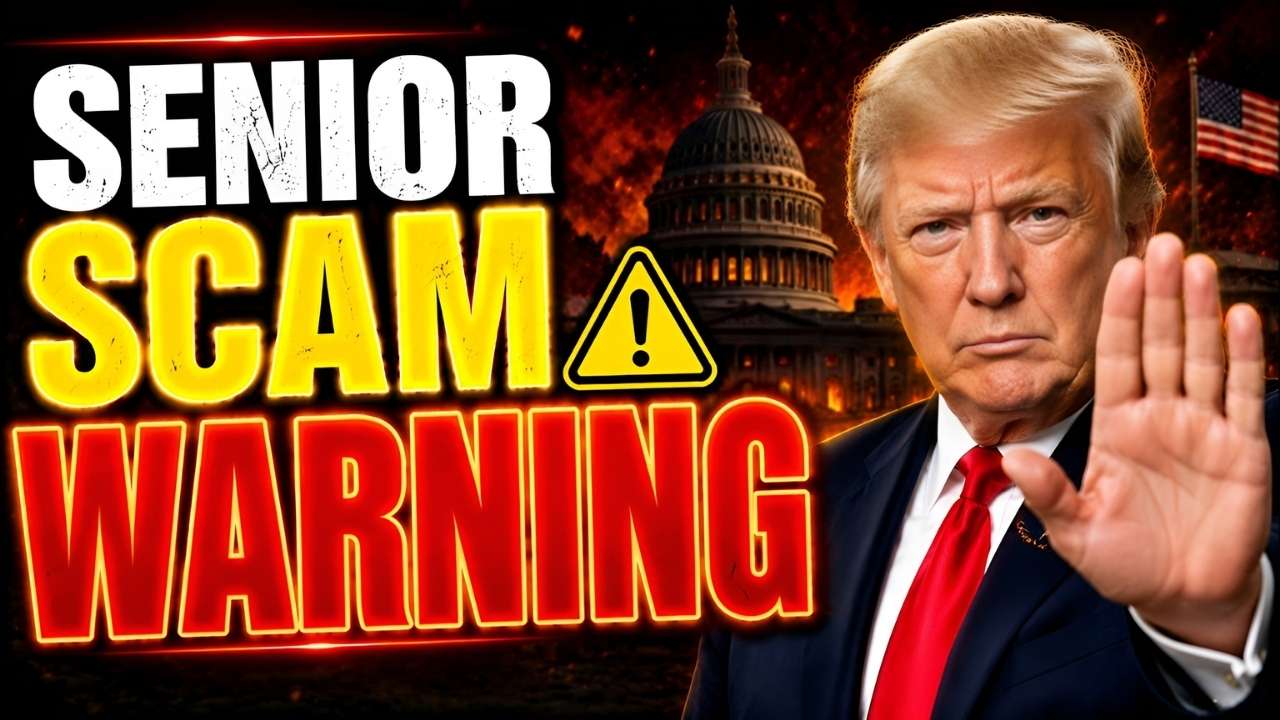
A shocking wave of insurance fraud cases is making headlines in 2026, with investigators warning that seniors across the United States, the United Kingdom, and several other countries are becoming the biggest targets. Authorities estimate that insurance related scams have now crossed an astonishing $13 billion in combined losses, affecting millions of families and retirees.
What makes this crisis especially dangerous is how convincing modern scammers have become. Many fraud operations now use advanced technology, fake customer service departments, AI generated voices, and highly professional looking documents to trick elderly individuals into handing over personal details, insurance payments, and even retirement savings.
Consumer protection agencies say seniors are particularly vulnerable because scammers often target people who rely heavily on health insurance, life insurance, pension support, or long term care policies. In many cases, victims do not even realise they have been scammed until months later when claims are denied or bank accounts begin showing suspicious transactions.
Experts are now calling 2026 one of the worst years ever recorded for insurance fraud involving older adults.
Why Seniors Are Becoming the Main Targets
Scammers carefully study the habits and concerns of older adults before launching their schemes. Many criminals understand that seniors are more likely to answer phone calls, trust official sounding representatives, and respond quickly to messages involving healthcare or financial security.
Retired individuals are also more likely to have savings, insurance policies, and stable monthly income sources such as pensions or social benefits. Fraudsters see this as an opportunity.
In recent months, investigators uncovered several large scam networks pretending to represent insurance companies, Medicare support offices, pension advisory groups, and claims departments. Victims were often pressured into updating account information or confirming policy details over the phone.
Some scams even involved fake emergency situations. Seniors were told their insurance coverage would expire immediately unless urgent payments were made. Others received calls claiming suspicious activity had been detected on their accounts.
The fear of losing medical coverage or retirement protection causes many victims to act quickly without verifying whether the caller is genuine.
How the $13 Billion Fraud Industry Operates
The modern insurance scam industry is far more organised than many people realise. Experts say some criminal groups now operate almost like professional corporations with dedicated departments for phone calls, fake websites, payment processing, and data theft.
Many scams begin with stolen personal information purchased from illegal online marketplaces. Once scammers obtain names, phone numbers, addresses, or partial insurance details, they create highly personalised approaches designed to appear legitimate.
Victims may receive realistic looking emails, printed letters, or phone calls that seem to come directly from trusted insurance providers. Some criminals even spoof official phone numbers so the caller ID appears authentic.
One growing tactic in 2026 involves AI voice cloning technology. In certain cases, scammers have copied voices that sound similar to insurance agents, family members, or customer service representatives. This has made fraud attempts much harder to detect.

Cybersecurity experts warn that fraudsters are increasingly combining digital attacks with emotional manipulation. The goal is to create panic, urgency, or confusion before the victim has time to think carefully.
Fake Health Insurance Offers Are Rising Rapidly
Health insurance scams remain among the most dangerous threats facing seniors this year. Fraudsters frequently advertise fake low cost medical plans that promise huge savings, expanded coverage, or immediate approval regardless of age or health conditions.
Victims are often asked to provide Social Security numbers, banking information, or upfront fees to activate coverage. Unfortunately, many discover later that the insurance policy never existed.
In some situations, scammers collect monthly premium payments for months before disappearing completely. Victims are then left without valid healthcare protection during medical emergencies.
Authorities say older adults should be especially cautious when receiving unexpected insurance offers through phone calls, text messages, or social media advertisements.
Legitimate insurance providers rarely pressure customers into making instant decisions over the phone.
Life Insurance Fraud Is Becoming More Sophisticated
Another growing concern in 2026 is life insurance fraud targeting elderly policyholders. Criminals may attempt to steal existing policies, convince seniors to transfer ownership rights, or sell fake investment linked insurance plans.
Some victims are tricked into signing complicated documents they do not fully understand. Others are persuaded to reveal sensitive account details under the false promise of policy upgrades or bonus benefits.
In extreme cases, scammers have impersonated family members or legal advisers to gain access to insurance payouts intended for beneficiaries.
Financial experts warn that elderly individuals living alone may face even greater risk because they often lack immediate support when reviewing financial paperwork or suspicious communications.
Families are being encouraged to discuss insurance matters openly with older relatives to reduce the chances of hidden fraud.
Online Scams Are Expanding Faster Than Ever
The rapid growth of online services has created new opportunities for criminals. Many seniors who recently became more active online for banking, healthcare, and communication may not recognise sophisticated scam tactics.
Fake insurance websites now look almost identical to legitimate company portals. Fraudsters use professional logos, customer service chat windows, and fake verification systems to gain trust.

Some scams involve malware infected links sent through email or text messages. Once clicked, these links may steal passwords, banking details, or private medical information.
Experts say one of the biggest warning signs is urgency. Scammers typically pressure victims to act immediately by claiming accounts are locked, payments are overdue, or coverage is at risk.
Slowing down and independently verifying any request can prevent many scams from succeeding.
Warning Signs Every Senior Should Know
Consumer protection agencies are urging seniors to remain alert for several common warning signs linked to insurance fraud.
Unexpected calls requesting sensitive personal information should always be treated cautiously. Legitimate companies generally do not ask for full passwords, banking PINs, or Social Security details over the phone.
Requests for payment through gift cards, cryptocurrency, or wire transfers are another major red flag. Professional insurance providers do not normally demand unusual payment methods.
Poor grammar, suspicious email addresses, or aggressive threats about cancelled coverage should also raise concerns.
Experts advise seniors to contact insurance companies directly using official phone numbers listed on policy documents rather than trusting incoming calls or messages.
Family members should encourage elderly relatives to discuss suspicious communications before taking action.
Governments and Insurance Companies Respond
Authorities worldwide are now increasing efforts to combat large scale insurance fraud operations. New cybersecurity systems, fraud detection software, and cross border investigations are being expanded throughout 2026.
Several insurance companies are also introducing stronger customer verification procedures and AI powered scam detection tools to identify suspicious activity more quickly.
However, experts warn that technology alone cannot fully solve the problem. Public awareness remains one of the most powerful defences against fraud.
Community organisations, senior centres, and financial advisers are now being encouraged to provide scam prevention education for older adults.

Many experts believe future fraud attempts will become even more advanced as criminals continue adopting artificial intelligence and sophisticated digital tools.
How Families Can Help Protect Elderly Relatives
Families play a critical role in protecting seniors from insurance scams. Open communication about finances, healthcare coverage, and suspicious calls can significantly reduce risks.
Experts recommend helping elderly relatives review insurance statements regularly and monitor bank activity for unusual transactions. Setting up fraud alerts and secure passwords may also improve protection.
Seniors should be reminded that it is completely acceptable to hang up on suspicious callers or ignore unexpected messages requesting urgent action.
Creating a trusted support network can make a major difference, especially for individuals who may feel isolated or overwhelmed by complicated financial issues.
Simple conversations today could prevent devastating financial losses tomorrow.
Final Thoughts on the Growing Insurance Scam Crisis
The $13 billion insurance scam crisis of 2026 highlights how rapidly financial fraud is evolving in the digital age. Seniors remain one of the most heavily targeted groups because scammers know older adults often depend on insurance systems for healthcare, retirement security, and peace of mind.
While governments and companies continue improving fraud prevention measures, awareness remains the strongest line of defence.
Understanding common scam tactics, verifying communications carefully, and maintaining open family discussions can help reduce the risk of becoming a victim.
As fraudsters grow more sophisticated, staying informed may be more important than ever before. For millions of seniors and their families, caution and awareness could mean the difference between financial security and devastating loss.